

Signal → System → Skill → Proof
Three specialist platforms. One connected AI ecosystem.
Chatoner connects three specialist platforms around practical outcomes. AI Conversations manages Messages, Meetings, ownership, and Sales Conversation Insights. AI Systems delivers client-specific strategy and governed systems. AI Academy develops capability through guided Programs, Chatoner Class, and Chatoner AI Labs, which supports direct access and eligible Program entitlements.
Customer signal, governed system, practical capability, and visible proof remain connected without hiding platform ownership.
Chatoner EcosystemConnected operating loop
Illustrative model
One governed loop
Learn. Experiment. Serve. Operate. Improve.
Academy builds guided capability, Labs provides practical environments, Conversations handles customer work, and Systems governs execution—with people in control.
AI Academy · Class · LabsShared operating contextPermissioned · owned · reviewableAI AcademyAI ConversationsAI SystemsHuman review
Operating loop
Capability evidence ready for reviewAI Academy · Class · Labs · Build capability
Architecture
The complete Chatoner operating loop.
Each layer creates a stronger input for the next, while governance and proof remain visible across the entire loop.
01
Signal
Connect message, meeting, and intentOwn the customer signal across messages and demonstrated meeting journeys, identify intent, preserve consent and ownership, and return reviewed actions to the timeline.
02
System
Turn repeated work into operationsConnect tools, automate repeatable decisions, deploy digital workers, define human approvals, and monitor outcomes.
03
Skill
Build the capability to sustain itLearn through guided Programs and Chatoner Class, then use the eligible Labs attached to the Program with responsible-use discipline.
04
Proof
Measure what changedBring conversations, system health, adoption, projects, and outcomes into evidence that leaders can inspect.
How platforms cooperate
A customer signal can become a system, skill, and proof.
Chatoner connects the customer signal, operating workflow, human capability, and evidence layer so each stage strengthens the next.
Connected operating chain
From signal to proof
Illustrative model01 / 04
Active handoff
Signal in context
Permissioned input01 / 04
Signal
Capture the conversation, understand intent, and retain the consent and attribution needed to use the context responsibly.
Route stateContext framed
Receives01Customer conversations
Governs02Intent, attribution, consent
Produces03Permissioned context
Named ownerConversation owner
Human boundaryPurpose and consent
Evidence stateContext framed
Platform boundaries
Each platform has a clear job, and a clear handoff.
The ecosystem works because roles are explicit. Chatoner AI Labs sits within AI Academy rather than forming a fourth connected platform.
Chatoner AI Conversations
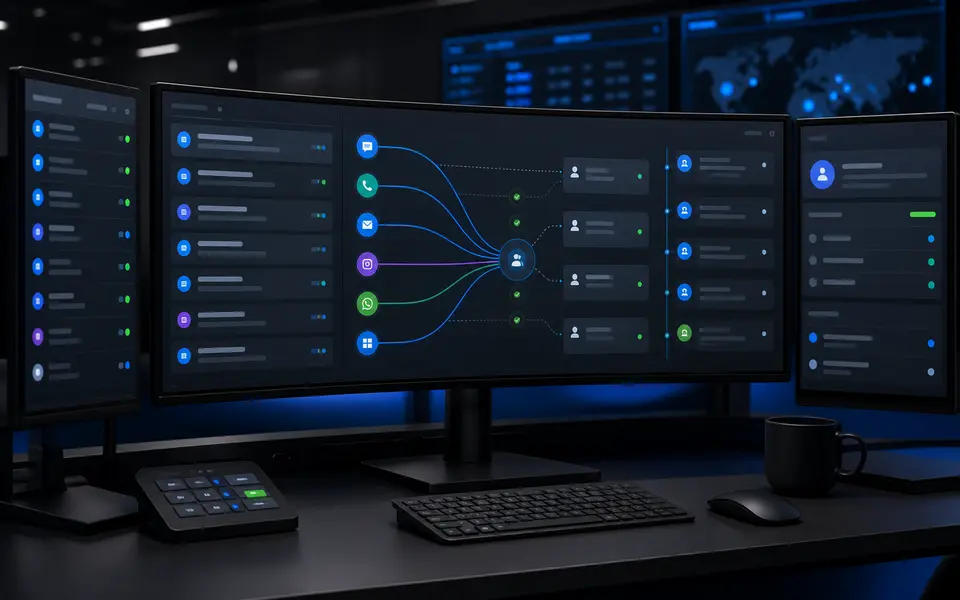
Manage customer conversations, meetings, context, and ownership in one accountable journey.
Owns
- Unified omnichannel conversation workspace
- Messages, Meetings, and Sales Conversation Insights in one timeline
- AI Agent for approved answers, qualification, and routing
Hands off
Customer context into governed operational workflows.
Chatoner AI Systems
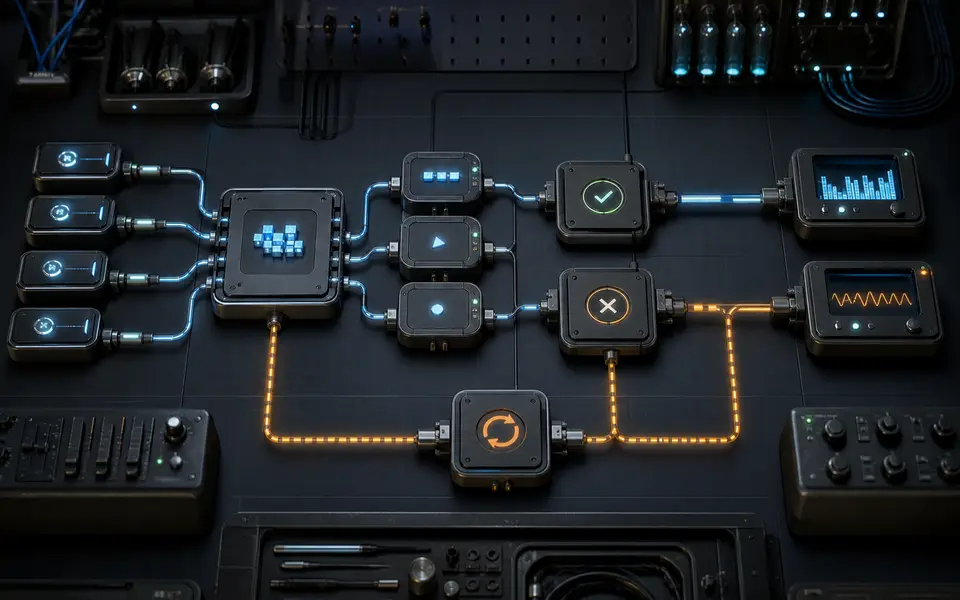
AI Systems owns the client-specific design, development, implementation, integration, deployment, and operational governance of AI systems, automations, digital workers, and customized AI Agents in the client’s approved environment. AI Systems can extend or connect with approved client environments and, where appropriate, integrate with Chatoner AI Conversations. Each platform retains its own purpose, controls, ownership, and operating model.
Owns
- AI Strategy & Consultancy
- Custom AI Systems
- AI Automation & Workflows
- AI Digital Workers
- Custom AI Agents
- AI Governance, Risk & Operations
Hands off
Operational evidence and role needs into capability Programs.
Chatoner AI Academy

Build practical AI skills through guided Programs, Chatoner Class, Chatoner AI Labs, projects, review, and credentials.
Owns
- Guided Programs and cohorts
- Live teaching in Chatoner Class
- Eligible Program-linked Labs
Hands off
Verified learning and Lab evidence back into operations.
Governance across the ecosystem
Trust is a shared layer, not a separate product.
Human control
Human decision boundaries
Define when AI may answer, draft, classify, route, or act, and where a named person must review, approve, or take over.
Secure connection
Connected but least-privilege
Integrate only the required systems and data scopes, with ownership, health, recovery, and offboarding clearly documented.
Visible proof
Evidence across software, services, and learning
Preserve sources, versions, approvals, activity, project evidence, credentials, and outcome assumptions.

